StoryHawk Blog
How to select a Preferred Source in Google Top Stories
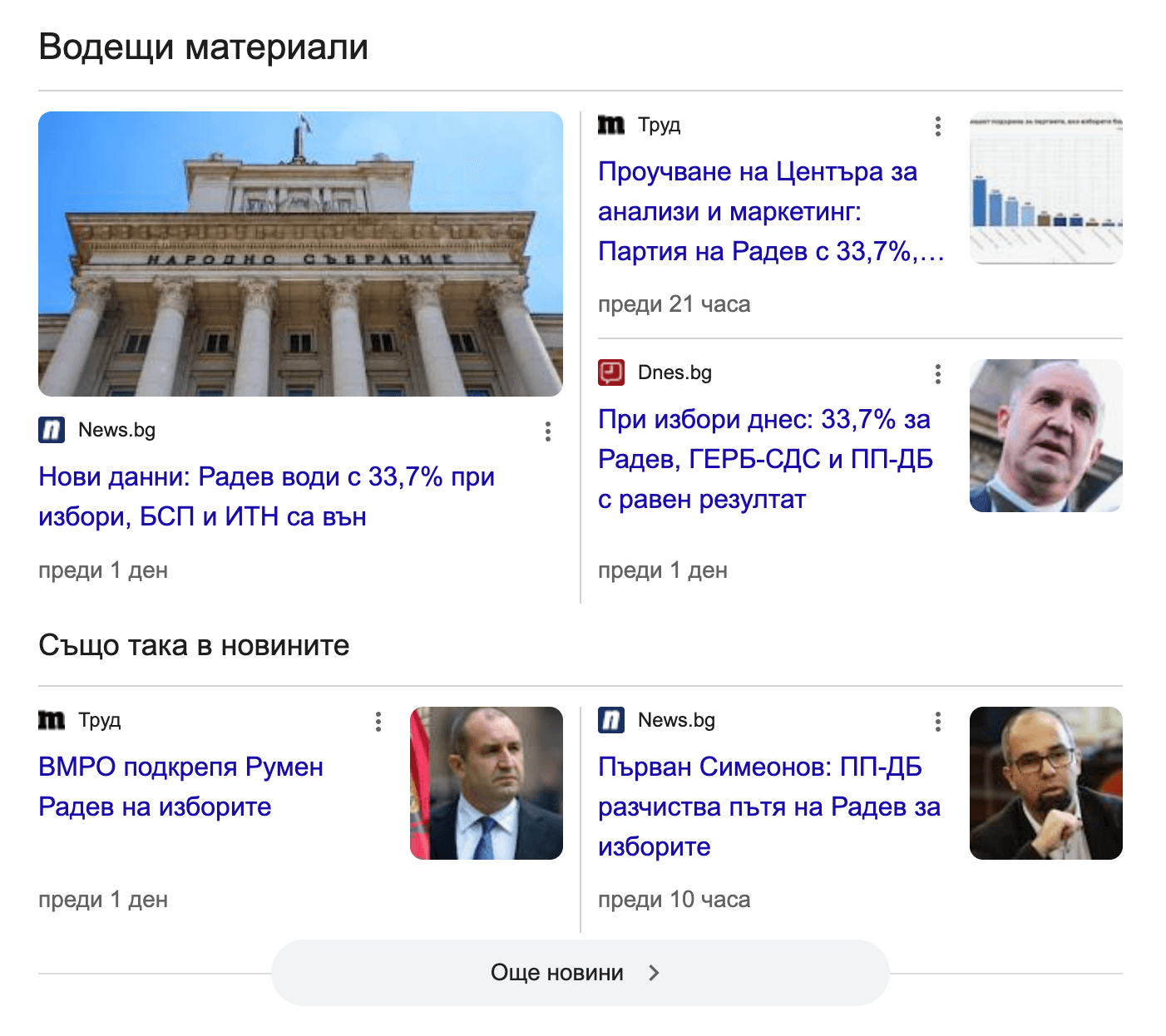
Google has dropped a feature that feels a bit like picking your favourite table in a café. It's called Preferred Source and it's now showing up in Google Top Stories. In short, you can tell Google which news outlets you'd like to see more often.
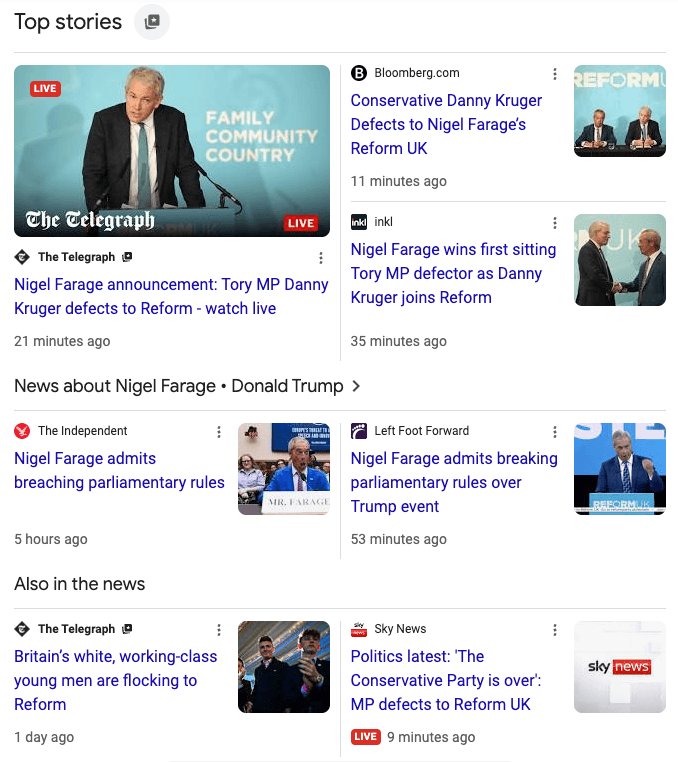
Google has dropped a feature that feels a bit like picking your favourite table in a café. It’s called Preferred Source and it’s now showing up in Google Top Stories. In short, you can tell Google which news outlets you’d like to see more often. If you’ve ever thought, “I wish Google would stop showing me that one tabloid” or “I’d like more from the paper I actually trust,” this is for you.
But it’s not just a win for readers. For publishers, it’s another chance to earn loyalty and show up more often where it matters. Let’s look at both sides.
How readers can add a preferred source
The process is about as simple as making a cup of tea. Here’s how it works:
- Search for any news topic on Google. Type in “Premier League results” or “Donald Trump” or whatever is trending that day.
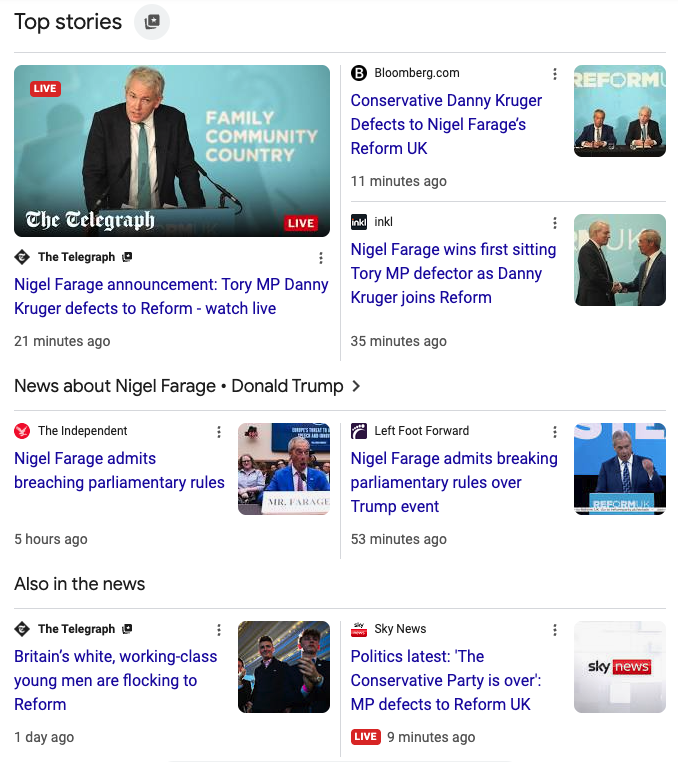
- Scroll to the Top Stories section, the familiar carousel of headlines that sits right at the top.
- Next to each publisher’s name, look for the three little dots (the menu icon) and tap it.
- If available, you’ll see an option that says “More from [Publisher Name]” or “Add [Publisher Name] as a preferred source”.
- Tap that, and you’re done.
From now on, Google knows you like that outlet and will try to show you their stories more often when they’re relevant.
What this means for publishers
This isn’t just a nice UX tweak; it’s a signal. Google is giving users more control over their news diet, and for publishers, that’s an opportunity.
1. Brand loyalty pays off
If your readers trust you, they’ll add you. Once you’re a “Preferred Source,” you’re not just fighting the algorithm for every single keyword; you’ve got a direct line to the people who actually want to read your stuff.
2. Visibility boost
While Google hasn’t explicitly said “Preferred Sources get a ranking boost,” it’s logical. If a user says, “I like The Guardian,” Google is going to show them The Guardian more often in Top Stories. It’s personalisation in action.
3. It’s harder to measure (for now)
The tricky part? You can’t easily see how many people have added you as a preferred source in Google Search Console (GSC). GSC shows you clicks and impressions, but it doesn’t break down “personalised” vs. “standard” ranking wins.
That’s where tools like StoryHawk come in. Since StoryHawk tracks Top Stories visibility and positions almost in real time, it gives you a clearer picture. If you see your visibility holding steady or climbing even when general rankings fluctuate, that could be a sign your brand authority (and those Preferred Source adds) are doing the heavy lifting.
The Bottom Line
“Preferred Source” is Google’s way of letting users curate their own news feed. For readers, it’s better results. For publishers, it’s a reminder that building a strong, trusted brand is the best SEO strategy of all.
So, maybe it's time to remind your loyal readers: "Hey, add us as a preferred source!"